
How Much Does It Cost to Install an EV Charger in Reading? A Local Electrician’s Guide
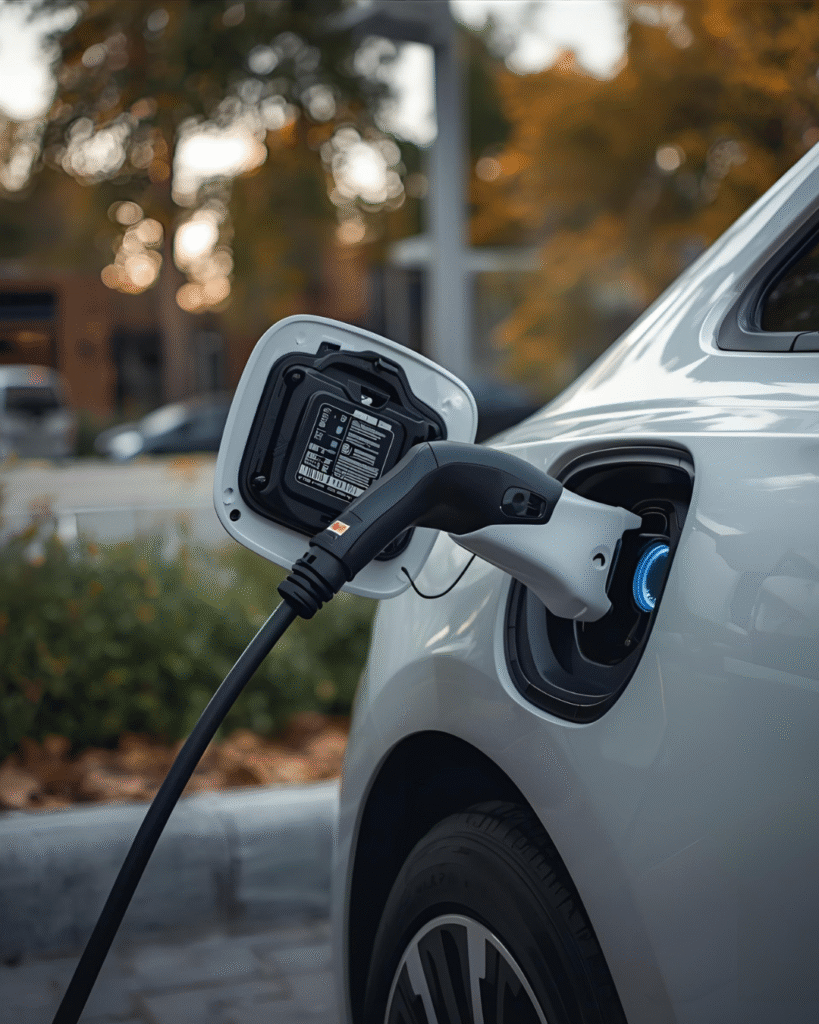
Installing a home EV charger is one of the first things most people do after buying an electric car, and for good reason. Charging at home overnight is cheaper, more convenient, and far less hassle than hunting for public chargers around Reading or queuing at a rapid charger on the A33. But the upfront cost of getting a dedicated charging point fitted is the question that stops most people from picking up the phone. How much should it actually cost, and why do quotes seem to vary so much?
This guide breaks down realistic EV charger installation costs for homes across Reading, from the charger unit itself through to the electrical work, what can push the price up or down, and what it costs to run once everything is connected. Whether you live in a Victorian terrace in Caversham, a semi in Tilehurst, or a new build in Shinfield, here’s what to expect.
What Does the Charger Unit Cost?
The charger is the most visible part of the installation and the component most people research first. Home EV chargers range from budget models to premium units, and the price reflects the features, build quality, and user experience you get.
Basic smart chargers start from around £350 to £500. These are typically untethered units — the charging cable isn’t permanently attached, so you use your own cable and plug it in each time. They connect to your WiFi for app control and scheduling, which is now a legal requirement for all new home charger installations. They work perfectly well, but the experience is more basic and not having a tethered cable is less convenient, particularly in the dark or the rain.
The most popular mid-range chargers sit between £500 and £850. This is where the majority of Reading homeowners land, and it includes well-established units like the Easee One, Ohme Home Pro, Zappi, and Pod Point Solo. Most come tethered with a cable permanently attached, so charging is as simple as grabbing the connector and plugging it into your car. Smart features including scheduled charging, energy monitoring, tariff optimisation, and app control come as standard. The Zappi is particularly popular with homeowners who have or plan to install solar panels, as it can automatically divert surplus solar generation into the car rather than exporting it to the grid.
Premium chargers costing £850 to £1,200 offer enhanced build quality, additional features like integrated load management for households with multiple chargers, and sometimes a sleeker design. For most homes across Reading, a mid-range charger between £500 and £850 provides everything you genuinely need.
Installation Costs
This is where the real variation happens, because no two properties are identical. The electrical work involved in fitting a home EV charger includes running a dedicated cable from your consumer unit to the charger location, mounting the charger on an external wall or inside a garage, connecting it to its own circuit with appropriate RCD or RCBO protection, and carrying out full testing and certification on completion.
For a straightforward installation where the charger is mounted on a wall close to the consumer unit, the cable route is short and accessible, and the existing consumer unit has spare capacity, installation labour typically costs between £300 and £500 on top of the charger price.
This means the total cost for a standard installation — charger plus all electrical work — usually falls between £800 and £1,300 for most Reading properties. That’s the realistic range for a typical terraced, semi-detached, or detached home where the cable run is moderate and no significant complications arise.
But several factors can push the cost higher, and understanding them before you get quotes helps you assess whether the prices you’re being given are reasonable.
What Can Push the Price Up?
Cable run length is the single biggest variable. Every additional metre of cable between your consumer unit and the charger adds to the material and labour cost. If your consumer unit is at the front of the house and your parking is at the rear, or if the cable needs routing through the loft, along walls, and around the property, the installation cost rises accordingly. Cable runs over fifteen metres can add £200 to £500 depending on the route, how the cable is fixed, and whether any external ducting or underground routing is required.
Consumer unit capacity is a common issue. If your existing consumer unit has no spare ways to add a new circuit, it either needs upgrading or a small secondary consumer unit needs fitting to accommodate the charger. A full consumer unit upgrade typically adds £350 to £500. A dedicated secondary unit for the EV charger is sometimes more cost-effective and usually adds £200 to £350.
Earthing and bonding requirements can also affect the price. Current regulations require specific earthing standards for EV charger installations, including PME fault protection measures in many cases. If your property’s earthing arrangements don’t meet these requirements, upgrading them is necessary before the charger can be connected. This is more common in older Reading properties — the Victorian and Edwardian houses in Caversham, the older terraces around the town centre, and properties in Earley and Woodley that haven’t had their electrics updated in decades. Earthing upgrades typically add £100 to £300 to the installation.
Groundwork occasionally comes into play. If the cable route needs to cross a garden, driveway, or paved area, it may need to run underground in protective ducting. Trenching across a garden and backfilling is relatively straightforward and adds £150 to £300. Cutting through a block-paved or tarmacked driveway and reinstating it afterwards is more involved, typically adding £300 to £600 depending on the surface material and distance.
Properties without dedicated off-street parking present a particular challenge. If you park on the street outside a terraced house, installing a home charger is still possible but more complicated. Some Reading homeowners in terraced streets across Katesgrove, Newtown, and parts of West Reading have installed chargers with cables that run across the pavement using approved cable covers or gullies. This is permitted but requires careful installation to avoid trip hazards and comply with local authority guidance. The additional work and equipment typically adds £200 to £400.
Total Cost Examples
Here are some realistic total costs based on typical Reading installations.
A mid-range tethered charger on a modern semi in Lower Earley with a short cable run from a consumer unit with spare capacity comes to roughly £850 to £1,200 all in.
The same charger on a Victorian terrace in Caversham where the consumer unit is in the hallway, the cable needs routing through the house to the rear wall, and the earthing requires upgrading comes to roughly £1,300 to £1,800.
A detached property in Tilehurst with a long cable run to a detached garage, a consumer unit that needs a secondary board fitting, and groundwork across a paved driveway could reach £1,800 to £2,500.
The majority of Reading installations fall within the £900 to £1,500 range for a complete job with a quality mid-range charger.
Are There Any Grants Available?
The government’s OZEV grant scheme for homeowners closed in 2022, so there’s currently no direct financial assistance for most owner-occupiers installing a home charger. However, grants of up to £350 per socket remain available for landlords installing chargers at rental properties and for tenants in rented accommodation or residents of flats.
If you’re a landlord with rental properties across Reading, the grant is worth claiming. Your electrician needs to be an OZEV-approved installer to process the application, and the paperwork is handled as part of the installation. For a rental property where the total installation cost might be £1,000, a £350 grant makes a meaningful difference.
For homeowners, the absence of a grant is disappointing but the savings from home charging versus public charging recoup the installation cost quickly enough that it remains a sound investment regardless.
What Does It Cost to Run?
This is where home charging demonstrates its real value. On a standard domestic electricity tariff, charging an electric car at home costs roughly 7 to 10 pence per mile depending on your vehicle’s efficiency and your unit rate. For a typical EV covering 8,000 to 10,000 miles a year, that translates to approximately £600 to £1,000 annually in electricity.
Switch to an EV-specific tariff and the numbers improve significantly. Several suppliers now offer tariffs with heavily discounted overnight rates designed specifically for EV charging. Octopus Energy’s Intelligent Go tariff is the most well-known, offering a substantially reduced rate during off-peak hours. Your smart charger handles the scheduling automatically, charging your car during the cheapest window without you needing to think about it. On a tariff like this, the same annual mileage might cost £300 to £500 in electricity.
Compare that with public rapid chargers, which typically cost 60 to 80 pence per kWh — roughly four to five times the home charging rate on a standard tariff and up to eight times more than a smart overnight rate. Even destination chargers at supermarkets and car parks, while sometimes free, are increasingly moving to paid models at rates well above domestic electricity costs.
A home charger installation costing £1,200 pays for itself within one to two years purely in charging savings if you were previously relying on public infrastructure. Over a typical ownership period of five to eight years, the total saving runs into thousands of pounds.
Choosing the Right Installer in Reading
EV charger installation must be carried out by a qualified electrician registered with a competent person scheme such as NICEIC, NAPIT, or ELECSA. If grant funding applies to your situation, the installer must also be OZEV-approved. Registration ensures the work is completed to current IET wiring regulations and that you receive the electrical certificates needed for warranty claims, insurance purposes, and future property sales.
Always insist on a site survey before committing. A reputable installer will visit your property, check the cable route, assess your consumer unit and earthing, and provide a detailed written quote specifying everything that’s included. Be cautious of quotes given over the phone or online without a visit — every property is different, and assumptions made remotely have a habit of turning into additional charges once the installer arrives and discovers the reality doesn’t match what was described.
Your quote should clearly itemise the charger unit, all cabling and materials, any consumer unit or earthing work, groundwork if applicable, installation labour, testing, and certification. If anything is listed as a provisional or additional cost, make sure you understand what would trigger it.
If you’re considering a home EV charger at your Reading property, get in touch for a free site survey. We’ll visit, assess your setup, recommend the right charger for your needs, and give you a clear, honest price with no obligation — so you know exactly what it costs before you decide.