
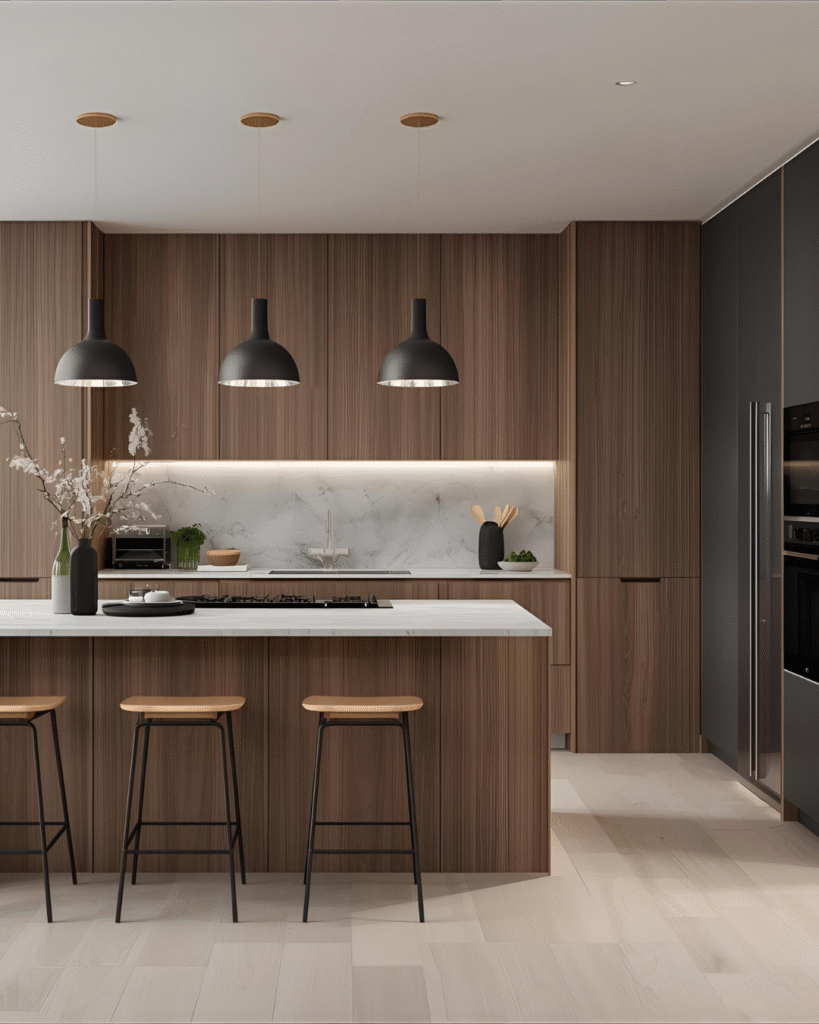
Smart Home Upgrades in Reading | What Can a Qualified Electrician Install?
Smart home technology has moved well beyond novelty gadgets. From intelligent lighting and heating to security systems and energy-saving controls, smart upgrades are becoming a practical and popular choice for homeowners across Reading.
If you’re considering upgrading your home, it’s important to understand which smart systems should be installed by a qualified electrician, how they integrate with your existing electrics, and how to future-proof your property safely.
This guide explains the most common smart home upgrades in Reading, what’s involved in installation, and why professional electrical work matters.
What Is a Smart Home?
A smart home uses connected devices to automate, control and monitor systems such as:
- Lighting
- Heating
- Security
- Energy usage
- Power and sockets
These systems are typically controlled via:
- Smartphone apps
- Tablets
- Voice assistants
- Automated schedules
When installed correctly, smart home technology improves comfort, efficiency and security.
Why Smart Home Upgrades Are Popular in Reading
Homeowners in Reading are increasingly investing in smart upgrades because they:
- Reduce energy bills
- Improve home security
- Add convenience and automation
- Increase property appeal and value
- Support home working and modern living
With rising energy costs and more people working from home, smart systems are no longer just “nice to have”.
Smart Home Upgrades a Qualified Electrician Can Install
1. Smart Lighting Systems
Smart lighting allows you to:
- Control lights via phone or voice
- Set schedules and timers
- Create lighting zones and scenes
- Reduce energy usage
A qualified electrician can:
- Install smart switches and dimmers
- Upgrade wiring where needed
- Ensure compatibility with existing lighting circuits
This is far safer than relying solely on plug-in smart bulbs.
2. Smart Heating & Thermostats
Smart heating systems are one of the most popular upgrades in Reading homes. Benefits include:
- Remote control of heating
- Zoned heating for different rooms
- Improved efficiency and lower bills
Electricians work alongside heating engineers to:
- Install smart thermostats
- Connect controls safely to power supplies
- Ensure systems meet electrical safety standards
3. Smart Security Systems
Modern smart security includes:
- Video doorbells
- CCTV systems
- Motion sensors
- Smart alarms
A professional electrician ensures:
- Proper power supply and cabling
- Reliable connections (not just Wi-Fi reliance)
- Safe installation of external equipment
This improves reliability compared to DIY installations.
4. Smart Sockets & Power Control
Smart sockets allow you to:
- Control appliances remotely
- Monitor energy usage
- Set timers to reduce standby power
An electrician can:
- Install hard-wired smart sockets
- Upgrade circuits if needed
- Ensure safe load management
This is particularly useful for home offices and high-use appliances.
5. Smart EV Charger Integration
As more Reading homeowners install EV chargers, smart integration is becoming essential. Smart chargers can:
- Schedule charging during off-peak tariffs
- Balance load with other household appliances
- Integrate with solar or battery storage
EV charger installation should always be carried out by a qualified electrician to ensure compliance and safety.
6. Smart Home Hubs & Automation
For full automation, electricians can help with:
- Central smart hubs
- Wiring for control panels
- Integration of multiple systems
This allows lighting, heating and security to work together seamlessly.
Do Smart Home Upgrades Require Electrical Changes?
In many cases, yes. Smart systems may require:
- Additional circuits
- Upgraded consumer units
- Improved earthing
- Better load management
A professional electrician will assess your existing electrical system before installing smart technology.
Why You Should Avoid DIY Smart Electrical Work
While some smart devices appear “plug and play”, DIY installation can:
- Overload circuits
- Cause nuisance tripping
- Void warranties
- Create safety risks
- Fail compliance checks
Any work involving fixed wiring should always be carried out by a qualified electrician.
How Much Do Smart Home Upgrades Cost in Reading?
Costs vary depending on the system and property size, but typical ranges include:
- Smart lighting upgrades: £300 – £1,500+
- Smart thermostat installation: £200 – £400
- Smart security systems: £500 – £2,000+
- EV charger smart integration: £800 – £1,500+
An electrician can provide a clear quote based on your requirements.
Do Smart Home Upgrades Add Value?
Yes — particularly when systems are:
- Professionally installed
- Integrated into the home’s electrics
- Easy for future owners to use
Smart features are increasingly attractive to buyers and renters, especially in modern family homes.
Future-Proofing Your Home with Smart Electrics
A qualified electrician can help future-proof your home by:
- Installing expandable systems
- Allowing for future EV chargers
- Preparing for battery storage or solar
- Ensuring your consumer unit can handle future demand
Planning ahead avoids costly upgrades later.
Why Use a Local Reading Electrician for Smart Home Installations?
A local electrician offers:
- Knowledge of Reading housing types
- Faster response and support
- Experience integrating smart systems safely
- Ongoing advice as technology evolves
Local expertise ensures your smart home upgrades are reliable, compliant and safe.
Final Thoughts
Smart home upgrades in Reading offer real benefits — from lower energy bills and improved security to greater convenience and comfort. However, these systems work best when installed professionally and integrated properly into your home’s electrical system.
If you’re considering smart lighting, heating, security or EV charging, a qualified electrician can help you choose the right solutions and install them safely.